Holistic Benefits of Gong Fu 功夫
In Chinese, the term gung fu (kung fu) refers to the development and training or honing of a skill. To have gung fu is to be highly skilled at a particular art or craft.
Chinese martial arts takes an approach to the mind and body as working together as one unit. You cannot cultivate one’s body without developing the mind, and vice versa. This holistic perspective of the body is unlike the paradigm of body-mind dualism, where the body is seen as a separate entity from the mind, which is a model of thinking that is predominant in the West.
Martial ability and qigong are the two sides of Chinese martial arts, and one cannot exist without the other. Qigong is the umbrella term for Chinese systems of physical meditation and breath control exercises. It is incorporated in gong fu practice. Qigong can be practiced anywhere. Health professionals have recommended qigong for not just mental health but overall health, including conditions such as Parkinson’s Disease, as the evidence of its benefits have been scientifically shown through empirical research. I teach qigong based on Yiquan 意拳 cultivation practices, a type of internal Chinese martial art.
Practicing Chinese martial arts is also an excellent way to (re)connect and engage with the rich history of Chinese culture. These arts have been cultivated for thousands of years and are embedded within systems of Chinese notions of martial virtue and respect.
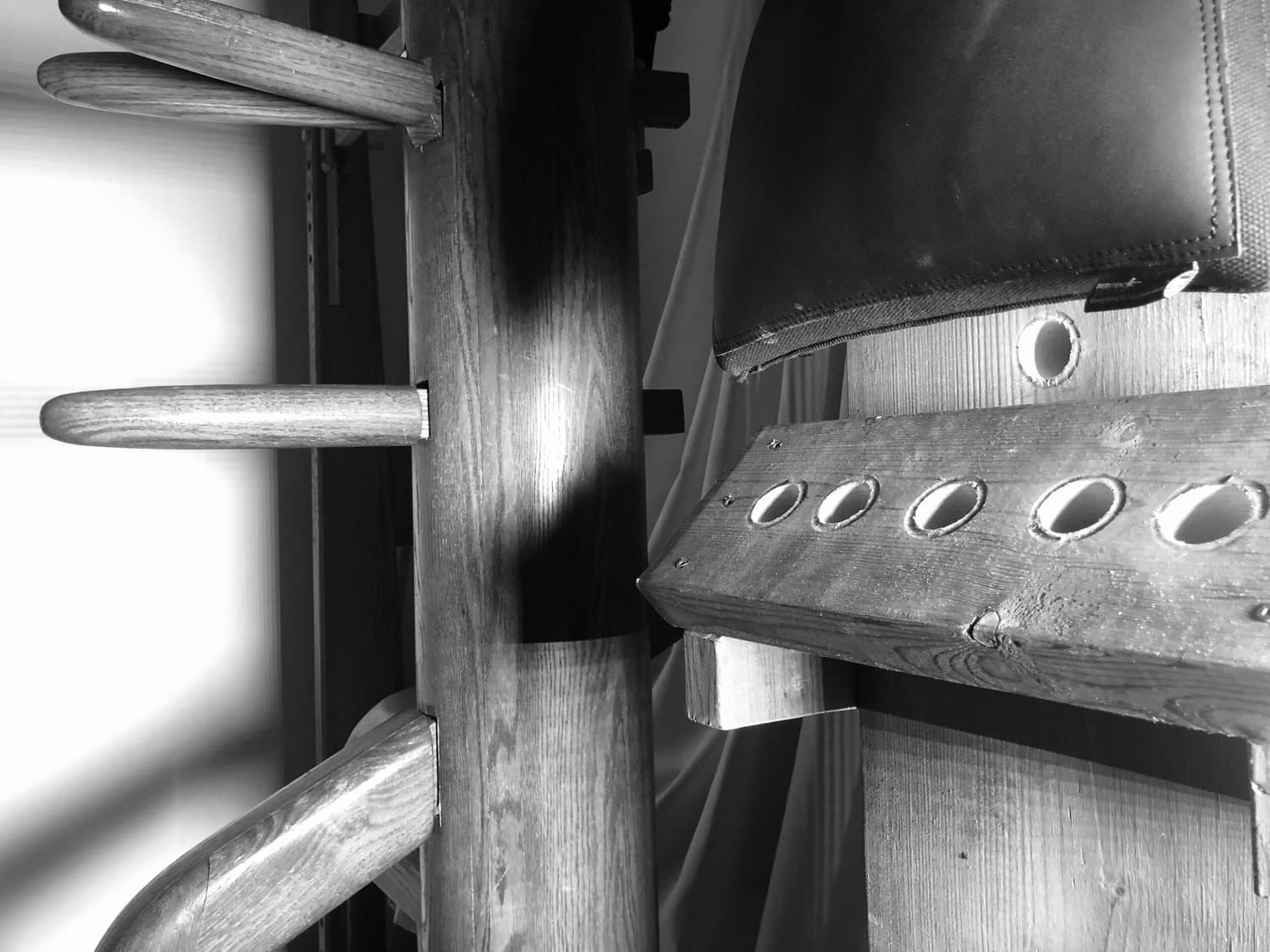
The physical benefits of gong fu include but are not limited to:
- ✓Improved posture, coordination, proprioception, functional movement, blood circulation, and kinaesthetic awareness.
- ✓A heightened awareness and improved coordination of the body, improved ability to move efficiently, and minimized unnecessary tension in the body.
- ✓Psychological benefits similar to those effects gained through meditation, such as an improved ability to stay relaxed during stressful situations and help cultivate one’s work ethic and focus.
These benefits have been supported and shown through rigorous empirical research and clinical studies. I have amalgamated some of these studies with relevant sections highlighted here for further reading.
The psycho-social benefits of martial arts
In “Bodily awareness in the Wing Chun system” (Religion 19.3, 1989, pp. 241–253), Stuart McFarlane describes the psycho-social benefits of martial arts training: overcoming stress, fear and anger is an essential part of serious practice, so trained practitioners are less likely to over-react to provocation — and by cultivating awareness, control and confidence, they’re often able to sense danger early and defuse conflicts before violence erupts.