Hong Kong Wing Chun
詠春 — an efficient and effective system of close-range combat suitable for all body types.

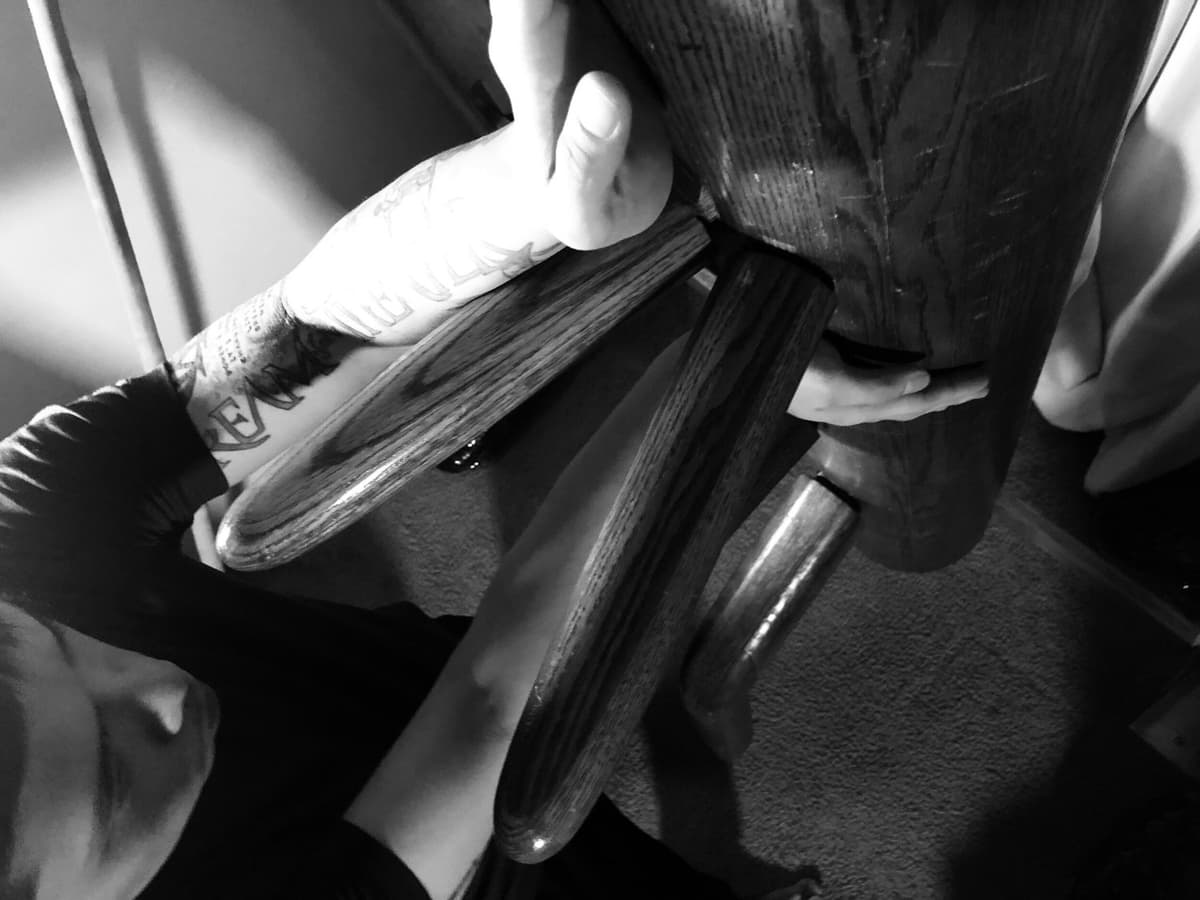
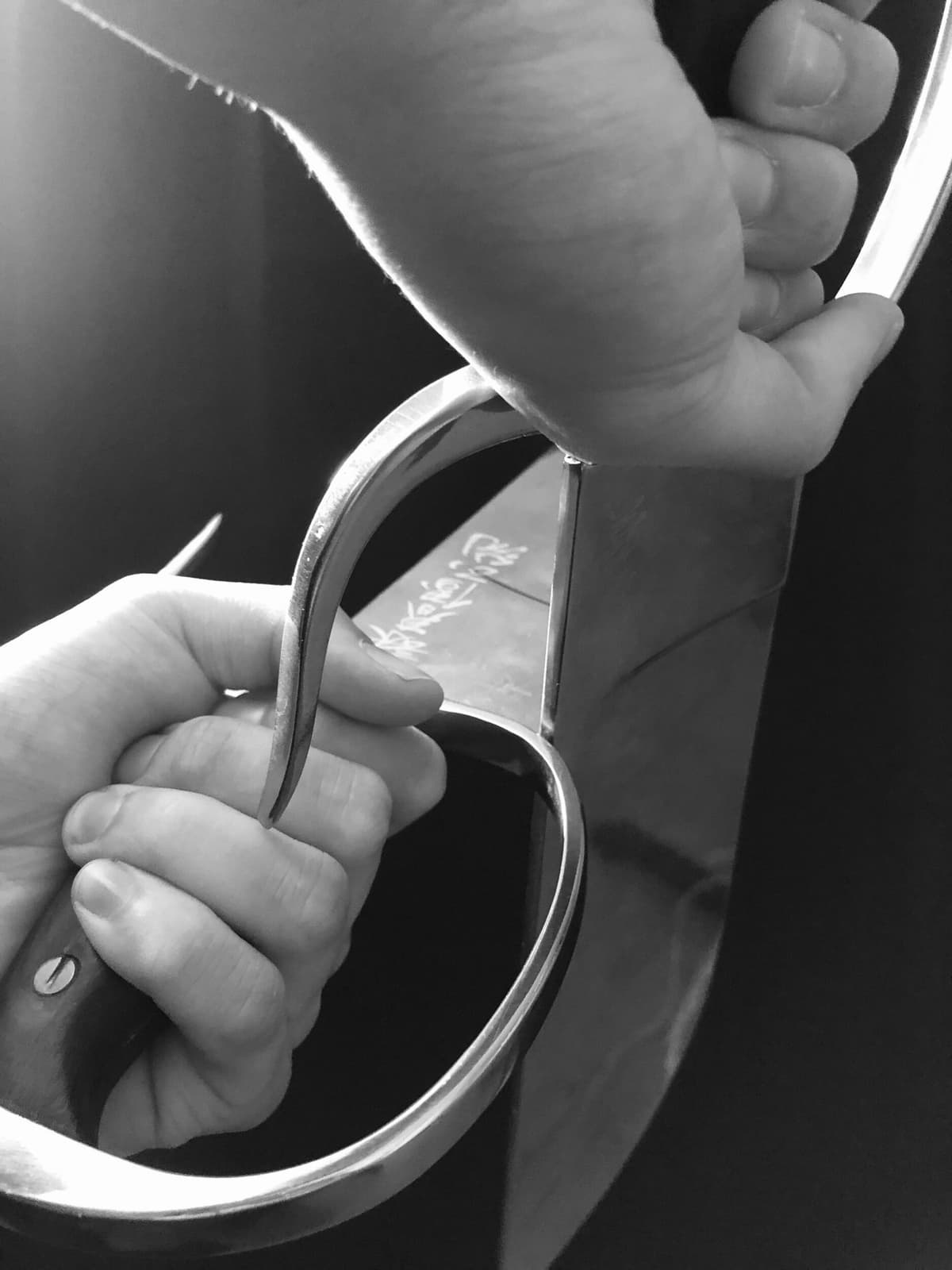
HK Wing Chun 詠春 (also known as Ving Tsun, Wing Tsun, and Ving Chun) is an efficient and effective system of close-range combat suitable for all body types. Unlike other martial arts that may rely on muscular strength and athleticism, Wing Chun’s effectiveness relies on perfecting one’s body alignment and control. The focus is on striking the opponent’s centre of mass, redirecting the opponent’s energy and stealing their balance to inhibit them from further attack.
Wing Chun’s movements are tactically offensive and defensive at the same time and include many fail-safe mechanisms. Wing Chun is so effective that militaries and law enforcement agencies around the world have adopted its concepts and techniques to inform their training. Having a qualified Wing Chun instructor is integral in obtaining functional ability because the system requires the practitioner to be precise and have proper bodily alignment.
Popular depictions of Wing Chun have consistently been inaccurate due to a misunderstanding of the system or due to dramatization. As a practitioner and an instructor, I place high importance on using an evidence based approach and ensuring students are correctly learning the movements, body mechanics and forms.
Empirical studies on Wing Chun’s effectiveness
- ✓The impact of Wing Chun’s palm strike as being more effective than a straight punch for new learners
- ✓Elder Chinese Wing Chun practitioners having higher radial bone strength, hand-grip strength, and better standing balance control
- ✓The practice of Wing Chun being positive for fall prevention particularly for seniors
- ✓Wing Chun has been considered a suitable exercise for the elderly, helping to improve their physical health and well-being
- ✓The practice of Wing Chun showing positive improvement in balance and gait performance for individuals with Parkinson’s disease
The relevant portions of these studies can be found on the scientific evidence and research page, in addition, other studies on the positive and holistic benefits of gong fu and qigong are also found there.
Bodily Awareness in the Wing Chun System




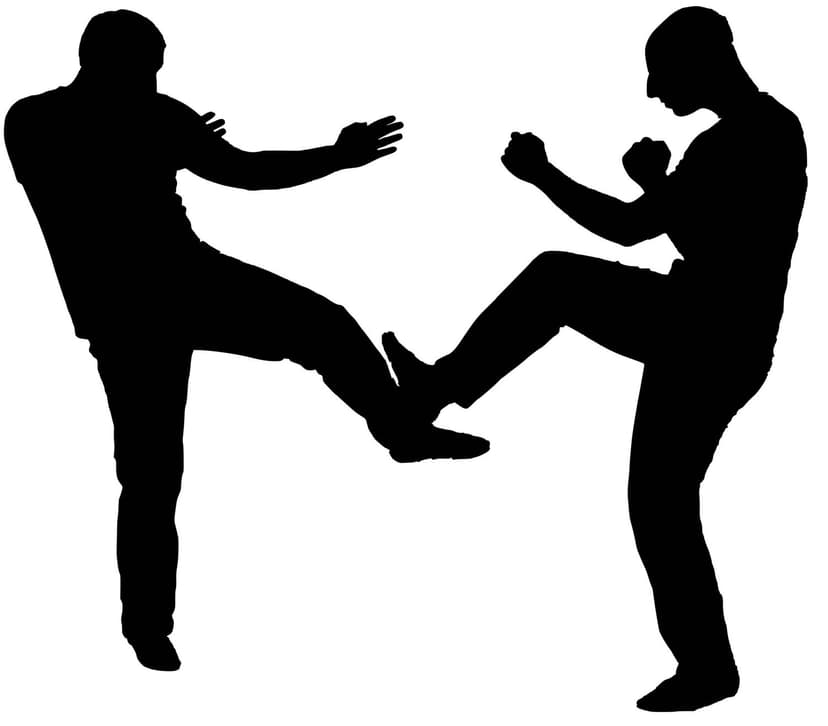

Stuart McFarlane’s scholarly article “Bodily awareness in the Wing Chun system” (Religion 19.3, 1989, pp. 241–253) encapsulates the effectiveness of Wing Chun’s practical and ingenious approach to combat.
McFarlane characterizes Wing Chun by its simplicity, directness and economy of motion: rather than meeting force with force, the system uses footwork, deflection and interception to redirect an opponent’s energy, generating power only at the instant it is needed before returning to a relaxed state. He gives particular attention to chi sau (sticking hands) as the practice that develops reflex sensitivity — at realistic close range, feeling an opponent’s intentions through contact is faster and more reliable than reacting by sight.
He identifies five essentials cultivated by this training: staying relaxed under the stress of an attack; attentive awareness of one’s own body and the opponent’s movements; precise, effortless control built through constant repetition of the forms; the fluidity to respond instantly without relying on pre-planned techniques; and efficiency of motion and effort. Deflection is preferred over hard blocking — subtler, more efficient, and demanding exact positioning, balance and timing.